
Why September Is the Best Month in the Dordogne
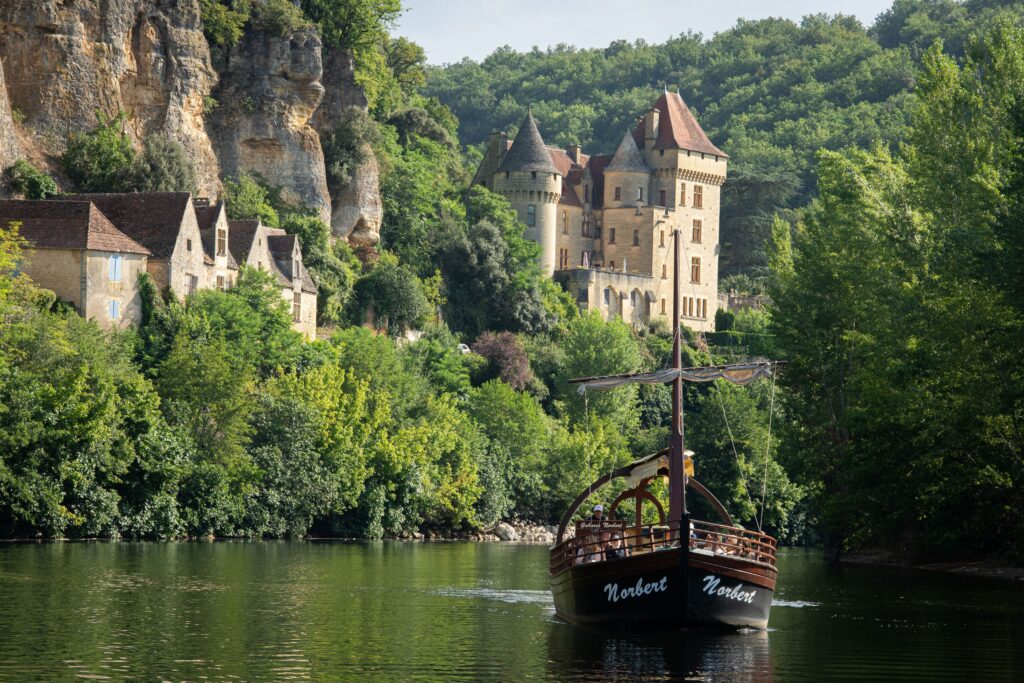
Ask anyone who actually lives here, and September comes up before August ever does. The heat breaks, the roads empty out, and the region quietly gets back to doing what it does the other eleven months of the year — just with better light and warmer stone underfoot. It’s less a hidden secret than an open one nobody bothers correcting visitors on.
If you’ve stayed with us in July or August, this is the month worth trying next. Here’s what actually changes once the calendar turns.
What’s in this Guide
The Crowds Leave, the Village Doesn’t
By the second week of September in dordogne, Sarlat’s Saturday market has room to walk through again. La Roque-Gageac’s riverfront isn’t a queue of canoes. Château de Beynac has gaps between tour groups instead of a solid line up the ramparts. None of it has closed for the season — the region simply stops performing for peak crowds and goes back to running at its own pace, which is closer to what drew you here in the first place.
→ Restaurants that took walk-ins reluctantly in August will often have a table free with same-day notice in September — worth trying the places you couldn’t get into over summer.
The Heat Finally Breaks
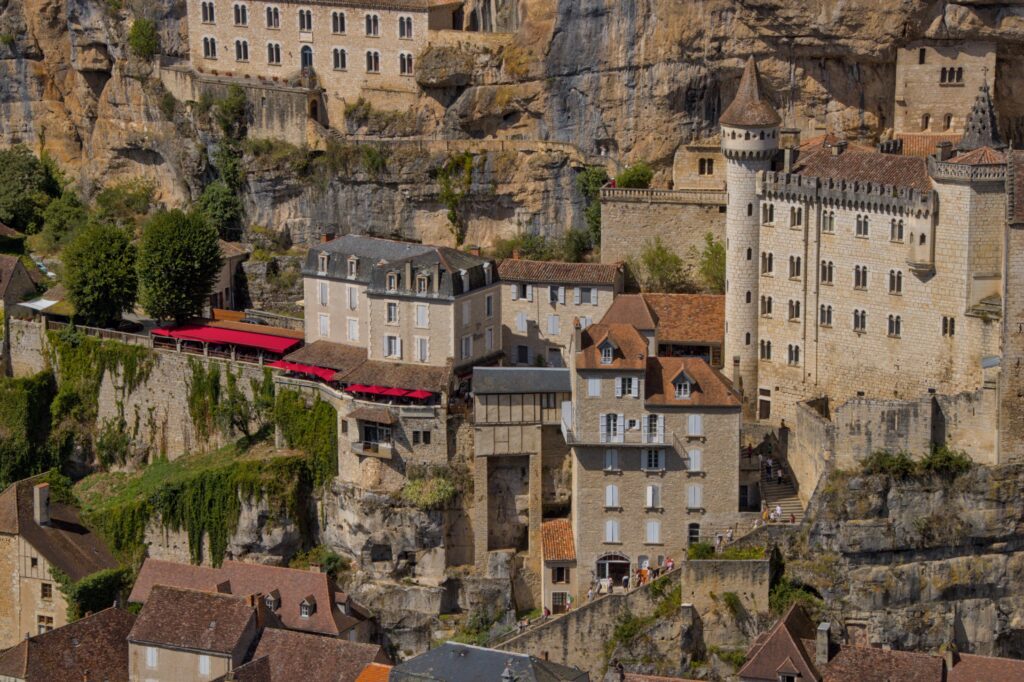
August in Périgord Noir can push past 35°C by mid-afternoon, which makes anything more strenuous than a riverside lunch a genuine effort. September settles into daytime highs around 24–25°C and cooler nights near 13–14°C — warm enough for the terrace after dinner, comfortable enough to actually want to walk up to Domme’s ramparts at 2pm instead of waiting for evening. It’s the difference between enduring the heat and simply not thinking about it.
- Abundant Sunshine: Early September still enjoys nearly 200 hours of sun throughout the month.
-
Pleasant Weather: Cooler temperatures don’t mean grey skies—just much more comfortable weather.
-
Sun Enjoyment: You’ll face far fewer days where the heat forces you to hide from the sun.
The Vines Start Filling with Pickers
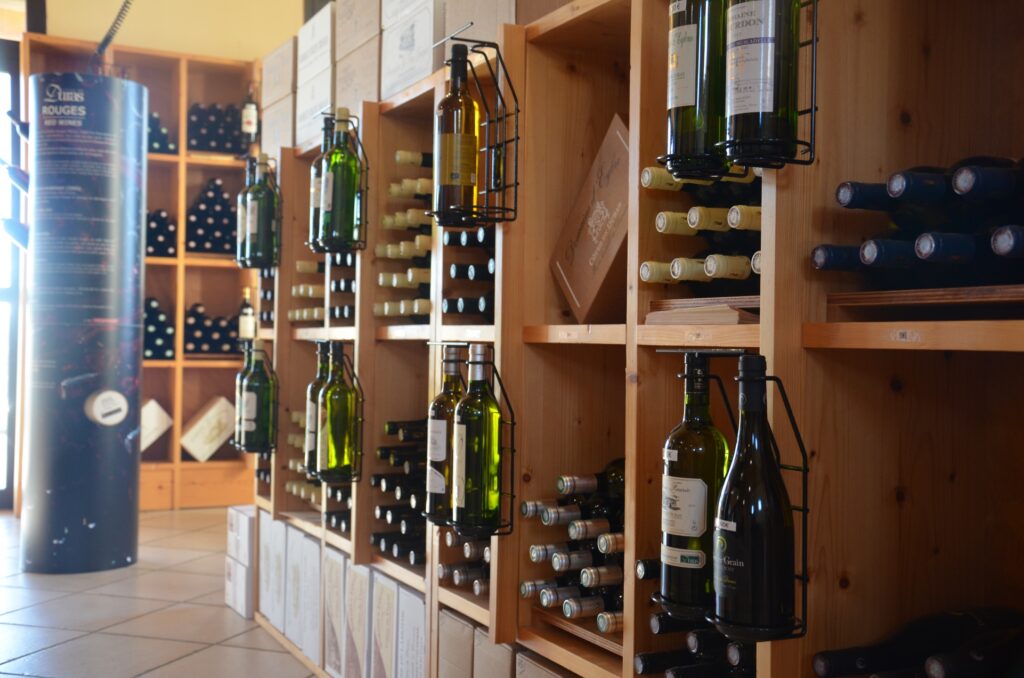
This is the one month where the region is visibly working rather than simply open for visitors. Pécharmant’s reds are usually gathered by late September, while Monbazillac and Saussignac’s sweet wines are picked in several passes that can run into October. Either way, September is when the vineyards around Bergerac go from a pretty backdrop to something actually happening in front of you — pickers in the rows, the smell of must in the air near the chais, domaines busier and more willing to talk than during a quiet midsummer visit.
→We’ve written a full guide to the harvest season if this is the kind of thing worth planning a stay around: Wine Harvest in Dordogne
The Markets Still Run — Just Quieter
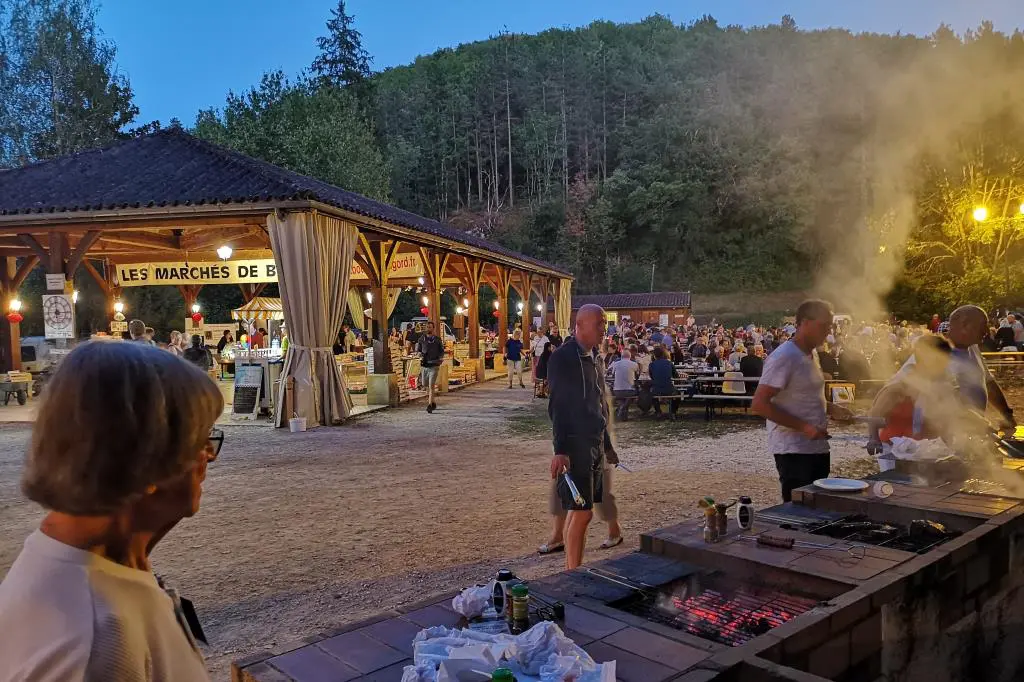
Most of the region’s summer night markets wind down by late August or the first days of September, but the daytime village markets never stop — Sarlat, Domme, and Belvès all keep their weekly market days going year-round, just with more elbow room and producers who have time to talk about what’s actually in season. If your stay catches the very start of September, one or two night markets are often still running their final weeks too.
→ For the full weekly rundown: A Guide to Dordogne’s Marchés Nocturnes
The Light Turns Gold
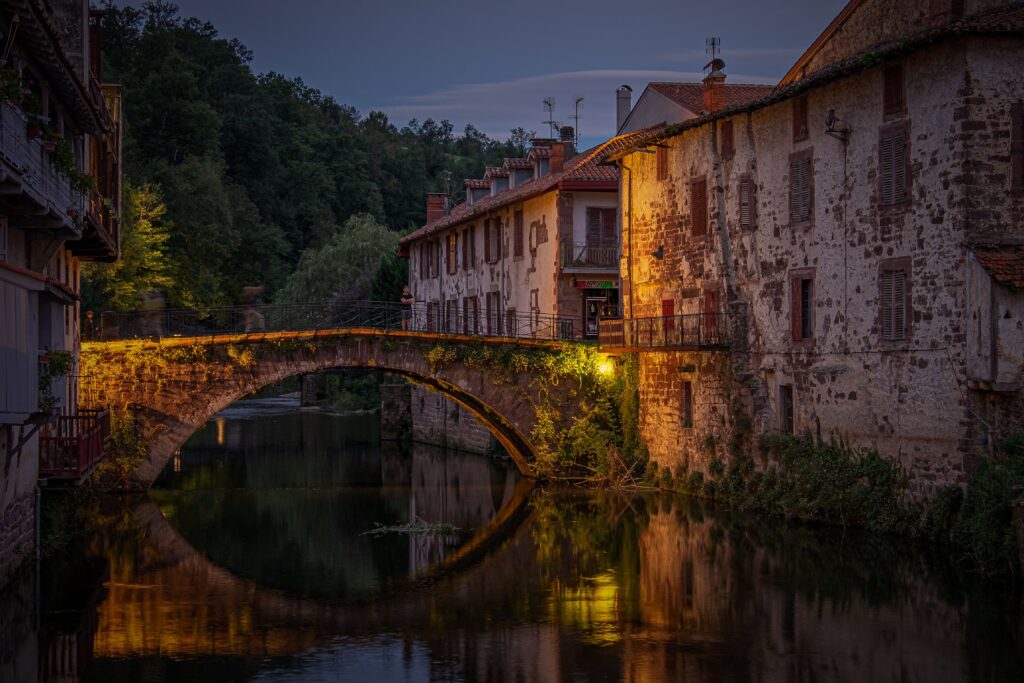
Something happens to the stone in September in dordogne that doesn’t happen in July — the sun sits lower for more of the day, and Domme’s ochre walls, the cliffs above La Roque-Gageac, the whole valley catches a warmer, longer light in the early evening.
Photographers know this without needing to be told; everyone else just notices the view from the terrace looks better than they remembered.
Booking Gets Easier
Restaurants that required booking weeks out in August often take same-week reservations by mid-September. Canoe rental queues shorten. The best tables at Bouzic’s night market — while it’s still running — are easier to find. None of this means the region goes quiet in any real sense; it’s simply operating at a pace where you’re not competing with quite as many other people for the same experience.
Worth knowing before you book: September is warm but not guaranteed dry — rainfall picks up slightly compared to July and August, with roughly 14 rainy days typical across the month. Packing a light layer for the evenings and one waterproof option is a safer bet than assuming August’s run of clear skies continues unbroken.
Stay at La Perle de Domme in September
The same valley view, minus the midday heat and the August queues — cooler terrace evenings, easier tables in Sarlat, and a season that finally lets the region breathe. If you already know the property, September is the version of it worth coming back for.
Book now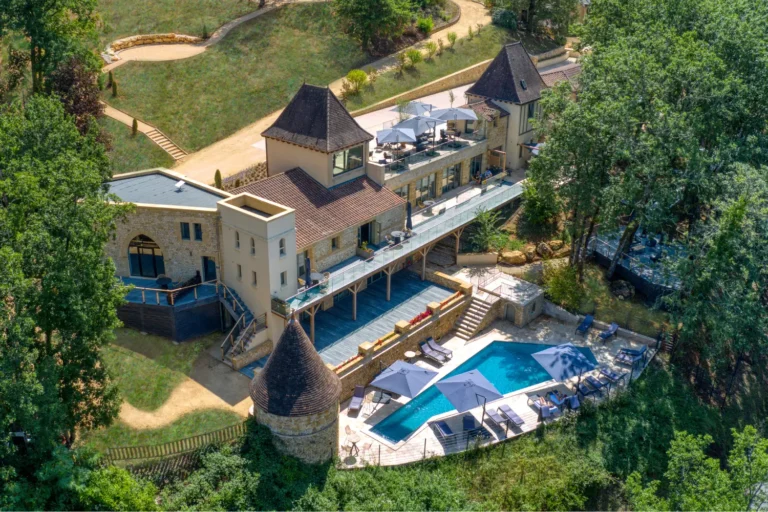
Stay in Style at La Perle de Domme.
Escape to the Dordogne and stay at our holiday apartments in Domme.
Frequently Asked Questions
Early September is usually still comfortable for swimming and canoeing, especially in the afternoon once the water’s had time to warm. By late September it cools noticeably, so if a river day matters to your plans, the first half of the month is the safer window.
Yes — châteaux, caves, and gardens across the Dordogne generally run on their full summer hours through September, with reduced hours typically starting in October. It’s worth double-checking exact closing times for anything you’re planning around, since a handful of smaller sites do trim their September hours slightly.
No — the Dordogne’s main festival season (Sarlat’s theatre festival, the Festival du Périgord Noir, and others) wraps up by mid-August. September trades festival energy for something quieter: harvest season, thinner crowds, and the villages returning to their everyday rhythm.
Layers. Days are warm enough for summer clothing, but evenings on the terrace cool down more than they do in July, and a light jacket is worth having for the vineyards or a village market after dark. A waterproof layer is also sensible given the slightly higher chance of rain compared to peak summer.